You look out over your lawn and curse. The dandelion is back again, doing what it does best: invading. And yet it’s so common now that you may be surprised to learn it’s not a native species––it’s one of the 2,000 or so herbs brought over by European settlers, both intentionally and in pant cuffs and on boot soles: by the English to New England, by the Spanish to California and Mexico, by the French to Canada, making it easy for the dandelion to take North American swiftly.
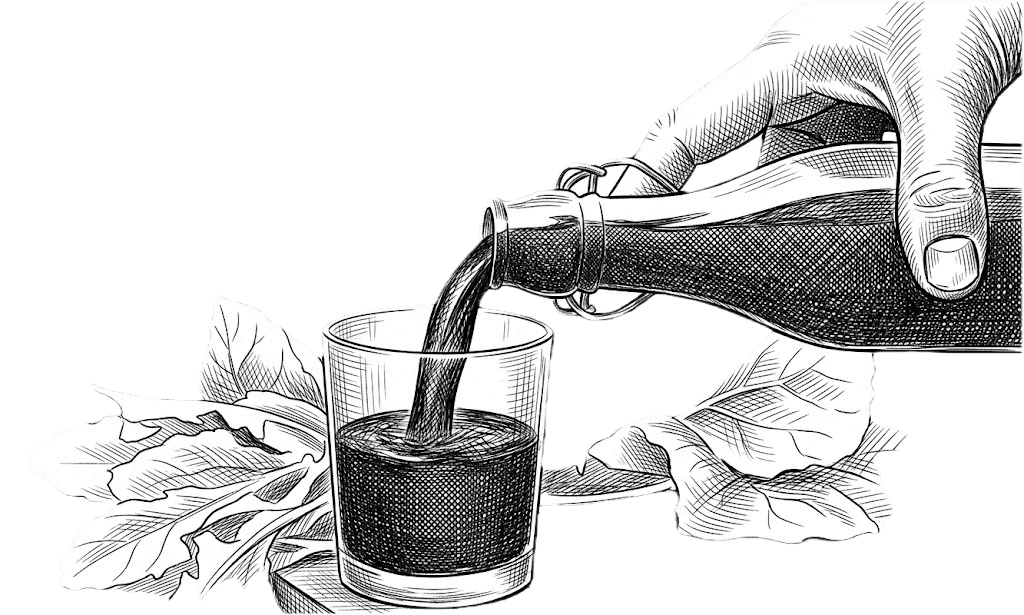
It could be counted on to bloom early and was used to make medicines and the first wine of the new growing season. It can be counted on to spread: the seedhead is perfectly designed to be broadcast by wind; a couple of hundred seeds can, if conditions are right, be sent up to a hundred miles. The taproot, as anyone with a lawn has discovered the hard way, is difficult to remove completely since it can burrow down 10 to 15 feet––and, unless you do, is capable of continuing to send up new (tender, delicious) shoots. Among invaders, the dandelion is a fairly low threat to ecosystems.
Up until the early twentieth century, dandelions were planted in American gardens, with prizes for best-tasting greens . But then, with the rise of the suburbs and manicured lawns, the blowballs’ ratings started to fall.
The main objection seems to come from gardeners and those who like a pure green lawn. As Dr. Tom Ombrello of the Botany Department of Union County College, New Jersey, said, speaking of the strange pursuit that is gardening with nonnative species, “We create the perfect environment for weeds to get established, and then pit them against plants that are not as competitive unless we help them. Is it any wonder that the weeds, as exemplified by the dandelion, often win?”
The late great Wolfgang Oehme (1930-2011), a landscape architect known for his self-sustaining, pesticide-free gardens using grasses, perennials, and open water, celebrated his birthdays by having friends round for a “weeding party.” He enjoyed eating weeds, especially dandelions, while he worked. “I like it wild,” he was fond of saying.