Roots
While first-year roots can be eaten raw, long slow-roasting will make them sweeter.
In late summer and fall, the first-year roots, beneath the basal rosettes, can be scrubbed of their outer layer and boiled like potatoes. Here in Vermont, we harvested ours in mid-September and boiled them for about an hour before slicing them. (They can take longer to soften.) We tossed the julienned burdock with soy sauce and sesame seeds. It was simple and delicious.
The larger second-year plants move their energy from the roots to the breeding stalks and flowers. Roots are woody and inedible.
Stalks
Contributor Josey Schanen writes: “The flower stalks can be eaten like artichoke hearts and the leaf stalks like a celery-textured vegetable. The stalks are in season in late spring and early summer. The leaves are way too bitter to be worthwhile.”
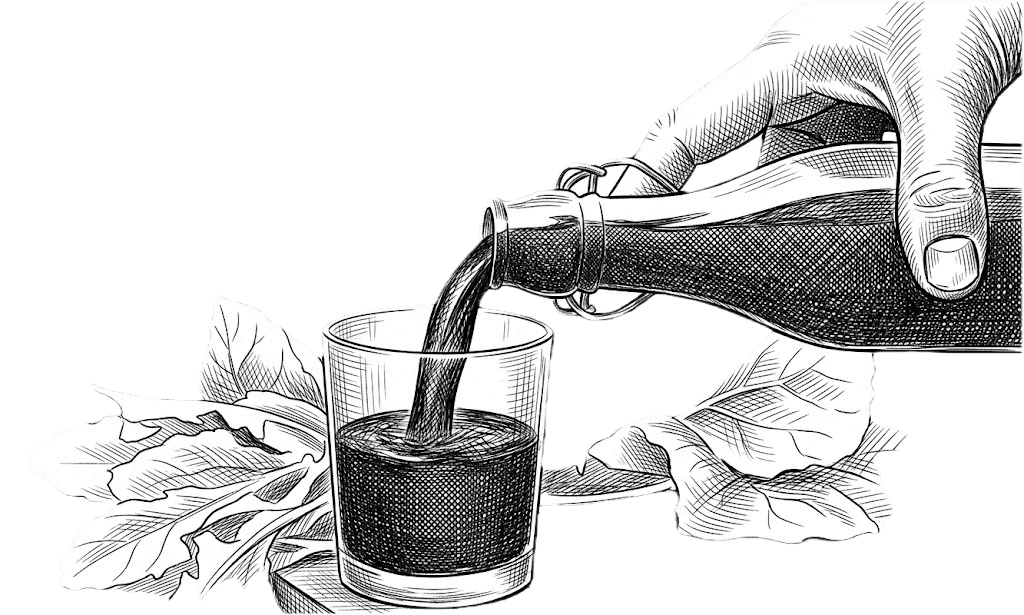
Eric Garza of the University of Vermont prepares burdock roots by fermenting them, without fuel-intensive cooking. He describes his energy-postive approach, complete with a pie chart here.
Shoots Young shoots can be boiled until tender––longer if still bitter. Stalks taste of artichoke, a relative. Second-year stems should be peeled before flowering and boiled 20 minutes. Seed sprouts edible.